
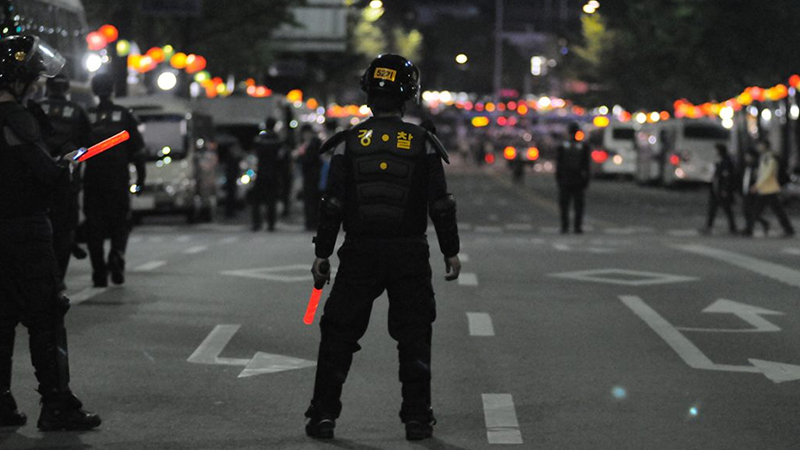
Insecurity: Living With Fear in an Uncertain Age
Insecurity is no longer a distant headline—it has become a daily reality shaping how people live, move, and think. From city centers to rural communities, the sense of safety once taken for granted is increasingly fragile. Across Nigeria and much of the world, insecurity has evolved from isolated incidents into a defining issue of our time.
This is not just a story about crime or conflict. It is a story about how fear quietly reshapes society.
When Safety Becomes a Luxury
Markets close earlier. Roads empty faster at night. Families plan their lives around risk rather than opportunity. In many communities, insecurity has altered routines so deeply that caution has become instinctive.
What once felt temporary now feels structural. Kidnappings, armed robberies, banditry, terrorism, and communal violence—each carries its own trauma, but together they create a climate of constant alertness.
The Human Cost Beyond the Numbers
Statistics measure incidents; they do not measure anxiety.
Children grow up learning which routes are “safe.” Businesses hesitate to expand. Farmers abandon fertile land. Professionals relocate or emigrate. The psychological toll—stress, distrust, and exhaustion—is as damaging as physical loss.
Insecurity erodes confidence, and without confidence, progress stalls.
The Economic Ripple Effect
Investment follows stability. Where insecurity thrives, opportunity retreats.
Local businesses spend more on protection than growth. Logistics costs rise. Tourism declines. Entire regions are economically isolated, not by geography, but by fear. Over time, this feeds a dangerous cycle: poverty deepens insecurity, and insecurity deepens poverty.
Governance, Trust, and Accountability
At the heart of the insecurity debate lies trust—trust in institutions, leadership, and justice systems. When citizens feel unprotected or unheard, frustration grows.
Security is not only about force; it is about intelligence, coordination, social services, and credible governance. Without accountability and visible action, fear fills the vacuum.
Communities on the Frontline
Despite the challenges, resilience persists.
Neighborhood watches, community leaders, faith groups, and local networks often become the first line of defense. In many places, people protect one another where formal systems fall short. These grassroots efforts remind us that security is not only enforced—it is collectively sustained.
Media, Perception, and Reality
Constant exposure to disturbing news amplifies fear. While awareness is necessary, sensationalism can deepen panic and normalize violence. Responsible thinking demands balance: acknowledging danger without surrendering to it.
The way insecurity is reported shapes how societies respond—either with clarity or with chaos.
Searching for Lasting Solutions
Long-term security cannot rely on short-term reactions. It requires:
-
Strong institutions and professional security services
-
Economic inclusion and job creation
-
Education and youth engagement
-
Justice systems that work
-
Dialogue where conflict festers
Insecurity is a symptom as much as it is a problem.
The Road Ahead
Insecurity thrives where hope disappears. But history shows that societies can recover when leadership aligns with the people’s needs and when citizens regain confidence in the future.
This is not just a fight for safety—it is a fight for dignity, stability, and the right to live without fear.
Until that fight is won, insecurity will remain one of the most powerful forces shaping our lives—quietly, persistently, and profoundly.